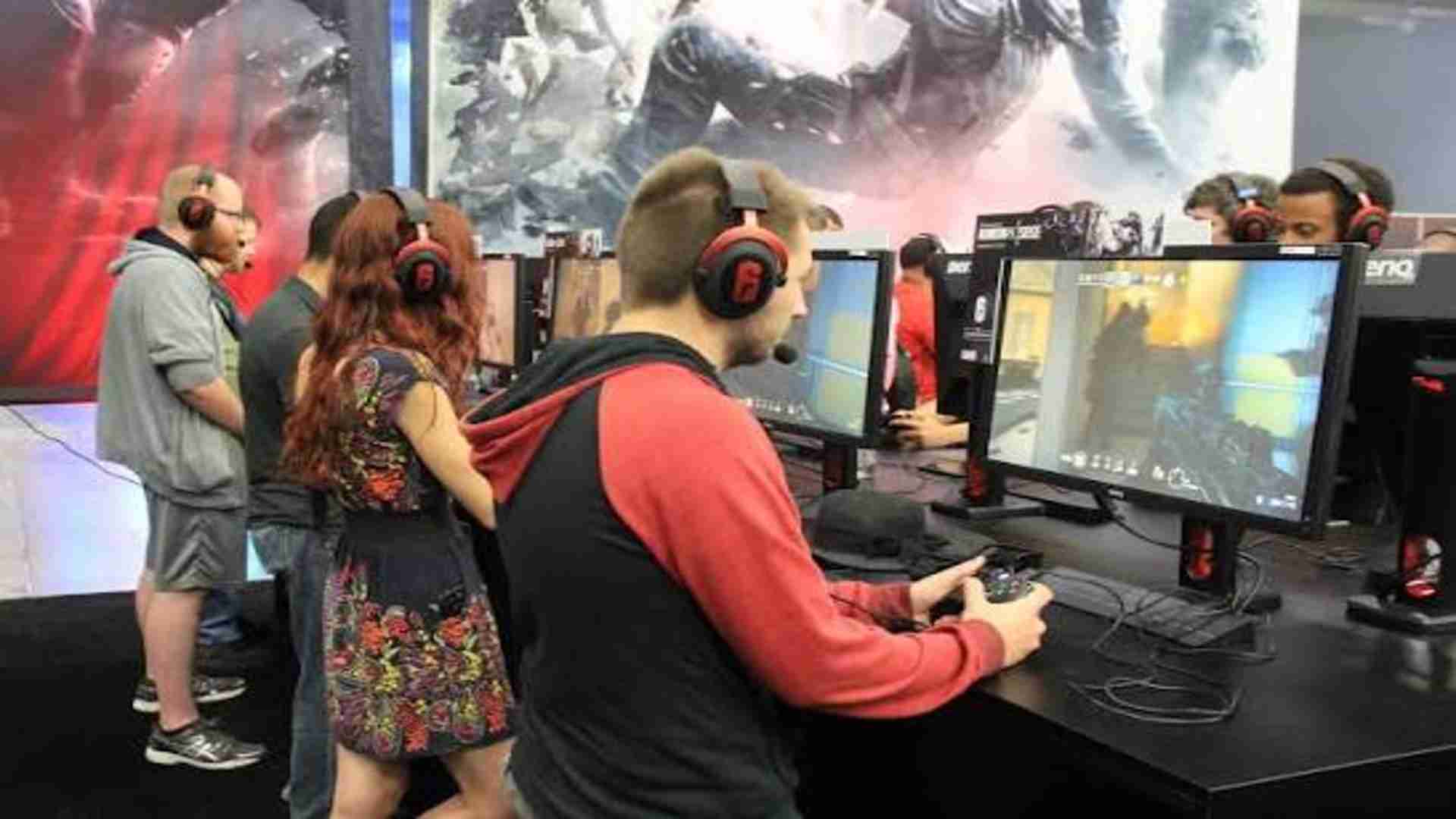
Engaging in tabletop and digital games that rely on mathematical chance is a fantastic way to stretch your cognitive abilities. Many modern players do not realize that these systems actively train the brain to notice subtle details and shifting patterns. By participating in these activities regularly, individuals can significantly enhance their daily attention spans and analytical alertness.
The Connection Between Randomness and Visual Focus
Probability challenges require participants to stay highly alert to fluctuating data and consecutive outcomes. When you watch a dice roll or a card draw, your brain naturally looks for historical trends to predict what might happen next. This continuous feedback loop forces the mind to maintain deep attention on immediate visual cues.
As these mental habits develop, players become much faster at identifying variations in their surroundings. This cognitive training translates directly into real-world benefits, such as noticing minor changes in work projects or environmental patterns. Developing these instincts turns basic entertainment into a powerful mechanism for personal growth.
Sharpening Pattern Recognition Skills
Many popular digital entertainment portals utilize complex mathematical structures to deliver engaging and balanced gameplay options. Visiting an established environment like the M88 casino allows individuals to closely monitor how unpredictable datasets manifest in real time. Observing these random number generators directly assists in building a highly practical understanding of statistical variance.
Consistent practice in these environments trains the human mind to quickly differentiate true randomness from structured sequences. This advanced capability prevents individuals from falling victim to common cognitive biases or superficial logical fallacies. Consequently, regular players tend to make more accurate judgments when evaluating unpredictable situations in their professional lives.
Improving Information Processing Speed
Probability exercises often require participants to process significant amounts of dynamic data under tight time constraints. Players must quickly calculate risk ratios while keeping a steady eye on their competitors or the changing layout of the board. This dual-task requirement strengthens the neural pathways responsible for managing visual information efficiently.
Over time, this routine makes it much easier to handle heavy workloads without feeling mentally exhausted or distracted. Your brain learns to filter out irrelevant background noise and focus purely on the variables that truly impact the final outcome. Enhanced observation skills ultimately lead to faster, more confident decision-making across various daily tasks.
Practical Ways to Practice Every Day
You can easily start cultivating these observation habits by engaging with simple coin tosses or card drawing exercises at home. Focus entirely on tracking the exact frequency of specific outcomes rather than relying on emotional intuition or guessing. Recording these physical results provides an objective look at how mathematical chance functions in real-world scenarios.
Always approach these interactive challenges with a balanced mindset centered on self-improvement and analytical learning. Maintaining a structured routine ensures that you gather the cognitive benefits of these activities without unnecessary stress. With patience and steady focus, exploring probability distributions becomes an enriching journey for your intellect.